


In an era where environmental concerns are at the forefront, our services aim to promote sustainability and eco-friendliness. We assist businesses in adopting green practices, ensuring compliance with environmental regulations, and implementing strategies that minimize their ecological footprint.

it’s a necessity for our survival and the well-being of future generations. With increasing pollution, deforestation, climate change, and loss of biodiversity, the Earth is under serious threat. Simple actions like managing domestic waste, proper disposal of biodegradable waste, reducing plastic use, conserving water, planting trees, recycling waste, and using eco-friendly products can make a big difference.
by making sustainable choices. Governments, communities, and businesses must also work together to promote green technologies and enforce environmental laws. A healthy environment means clean air, safe water, rich biodiversity, and a better quality of life.

At NILS Factor, we believe that sustainable living begins with responsible waste management. As a trusted platform for professional services, NILS Factor provides trained, certified, and experienced professionals for:
Solid Waste Management (SWM) in India has emerged as a critical environmental and public health challenge due to rapid urbanization, population growth, and changing consumption patterns. Recognizing the urgency of structured and sustainable waste management, the Ministry of Environment, Forest and Climate Change (MoEFCC) notified the Solid Waste Management Rules, 2016 under the Environment Protection Act, 1986.
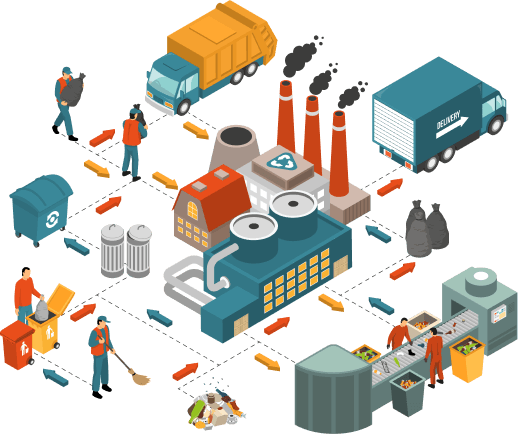
The 2016 Rules apply to every individual, residential and commercial establishment, urban local body (ULB), industrial unit, and all institutions generating solid waste in India, including those in rural areas.
1.Waste generators must segregate waste into three categories — Biodegradable, Non-biodegradable (dry), and Domestic hazardous — at source.
2.Special attention is given to bulk waste generators such as large housing societies, hotels, and institutions to process and manage waste onsite.
1.Local bodies must ensure Door-to-Door collection of segregated waste and adopt a Bin-to-Bin and Vehicle-to-Vehicle transfer to prevent waste mixing.
2.Use of Covered vehicles for transportation is mandatory to prevent littering and secondary pollution.
1.Emphasis on Composting, Bio-methanation, and Recycling of biodegradable and dry waste respectively.
2.Prohibition of open burning of waste and promotion of sanitary landfilling only for non-recyclable and inert residual waste.
The rules mandate Extended Producer Responsibility (EPR) for manufacturers and brand owners, especially for plastic packaging and multi-layered materials.
1.Urban local bodies are empowered to levy user charges from households and commercial units for waste management services.
2.Provision for spot fines and penalties for littering, non-segregation, and illegal dumping of waste.
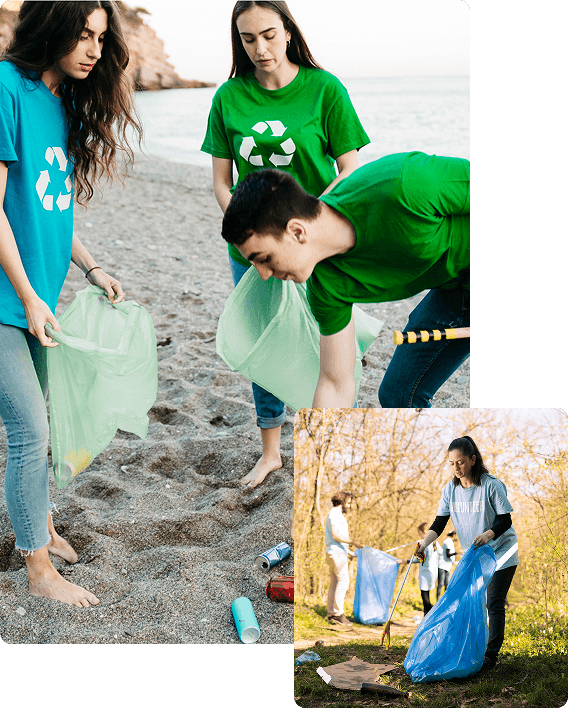
Despite the robust framework of SWM Rules, 2016, challenges such as low compliance, inadequate infrastructure, lack of awareness, and capacity constraints at ULB levels hinder effective implementation. However, initiatives like:
have catalyzed improvements in many cities.
The Solid Waste Management Rules, 2016 offer a comprehensive, decentralized, and participatory approach to managing India's waste. Its success lies in the collaborative efforts of citizens, Government bodies, Private players, and Civil society to create cleaner, healthier, and sustainable urban environments.